
Understanding Cataracts: Causes, Symptoms, andamp; Treatments
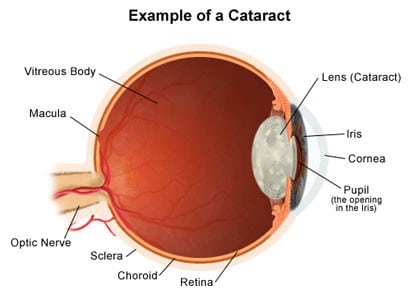
If your vision has started to feel blurry, cloudy, or like you’re constantly looking through a foggy window, you may be experiencing the early signs of a cataract. Cataracts are one of the most common age-related eye conditions worldwide, and they occur when the normally clear, natural lens of the eye becomes cloudy over time. This cloudiness prevents light from focusing properly on the retina, making it harder to see clearly.
Common Cataract Symptoms
Cataracts develop slowly, and at first, you may not notice much change in your eyesight. But as they progress, you may begin to experience:
Blurred, cloudy, or dim vision
Glare and halos around lights, especially at night
Difficulty driving after dark
Faded or yellowed colors
Needing brighter light to read or do close work
Frequent changes in glasses or contact lens prescriptions
to determine if cataracts are the cause.
What Causes Cataracts?
While aging is the most common cause, cataracts can also develop from:
Prolonged exposure to UV sunlight without eye protection
Diabetes and certain health conditions
Long-term use of steroid medications
Smoking or excessive alcohol use
Previous eye injuries or surgeries
Genetic predisposition
Cataract Surgery: The Only Effective Treatment
Glasses and medications cannot reverse cataracts. The only permanent solution is cataract surgery, a safe and highly effective procedure where the cloudy lens is removed and replaced with a clear intraocular lens (IOL). Modern cataract surgery often improves vision beyond what patients had before — reducing or even eliminating the need for glasses in many cases, especially with our premium options like multifocal or toric lenses.
Cataract surgery is one of the most commonly performed surgeries in the world, with a high success rate and minimal recovery time. Most patients return to daily activities quickly and notice dramatically improved vision within days.